Tracking Your Daily Expenses
Understanding where your money goes is the first step to managing your finances effectively. Many Ugandans struggle with tracking their daily expenses, leading to overspending and financial instability. Tusomere Financial Literacy provides simple and practical methods to help you monitor your spending habits.
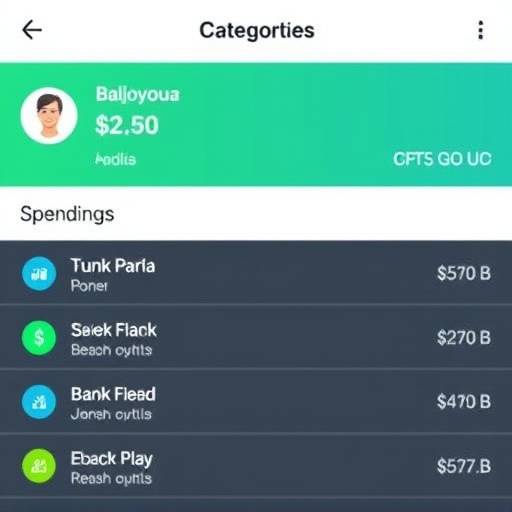
One of the most effective ways to track your expenses is by using a simple notebook or a mobile expense tracking application. Record every transaction, no matter how small, including transportation costs (matatu fare, boda-boda), food and drinks, airtime, and any other daily purchases. Categorizing these expenses will give you a clear picture of where your money is being spent.
Benefits of Tracking Expenses:
- Increased Awareness: You become more aware of your spending habits.
- Identifies Spending Leaks: You can pinpoint areas where you are overspending.
- Improved Budgeting: It helps you create a more realistic and effective budget.
- Better Financial Decisions: Informed decisions lead to better financial outcomes.
Consider using mobile applications like "M-Tracker" or "BudgetWise," specifically designed for the Ugandan market, to simplify the expense tracking process. These apps often provide visual representations of your spending, making it easier to identify trends and areas for improvement. Remember to input your data regularly, preferably daily, for accurate tracking.
| Date | Description | Category | Amount (UGX) |
|---|---|---|---|
| 2026-07-26 | Matatu Fare | Transportation | 2,000 |
| 2026-07-26 | Lunch at Restaurant Kampala | Food | 15,000 |
| 2026-07-26 | Airtime Recharge | Communication | 5,000 |
| 2026-07-26 | Evening snack - Rolex | Food | 3,000 |
| 2026-07-26 | Boda-boda ride | Transportation | 4,000 |
Reducing Your Daily Expenses
Once you've tracked your expenses, the next step is to identify areas where you can cut back. Reducing daily expenses doesn't mean depriving yourself, but rather making smarter choices about how you spend your money. Small changes can lead to significant savings over time.
Practical Tips for Reducing Expenses:
- Meal Planning: Plan your meals for the week and cook at home more often. Eating out can be significantly more expensive than preparing your own food.
- Bulk Buying: Purchase non-perishable items in bulk to take advantage of lower prices.
- Transportation Alternatives: Consider walking, cycling, or using public transportation instead of private vehicles when possible.
- Negotiate Bills: Call your service providers (e.g., internet, mobile) and negotiate for better rates.
- Reduce Entertainment Costs: Find free or low-cost entertainment options, such as visiting local parks or attending community events.
- Energy Conservation: Save on electricity by switching off lights and appliances when not in use.
- Water Conservation: Be mindful of water usage and fix any leaks promptly.
For example, instead of buying bottled water every day, invest in a reusable water bottle and refill it with tap water (if safe) or purchase water in larger quantities. Consider brewing your own coffee or tea instead of buying it from cafes. These small changes can add up to substantial savings over time.
Consider the advice from Ms. Aanyu Grace, a financial advisor with Tusomere Financial Literacy: "Start small, be consistent, and track your progress. The key to successful expense reduction is to make sustainable changes that fit your lifestyle."
Needs vs. Wants: Understanding the Difference
Differentiating between needs and wants is crucial for effective financial management. Needs are essential for survival and well-being, while wants are desires that are not necessary. Learning to prioritize needs over wants is a key skill for building financial stability.
Defining Needs:
- Food: Nutritious meals to maintain health and energy.
- Shelter: Safe and secure housing.
- Clothing: Adequate clothing for protection from the elements.
- Transportation: Basic transportation to work or school.
- Healthcare: Access to essential medical services.
Examples of Wants:
- Eating Out: Frequent restaurant meals.
- Designer Clothing: Expensive or brand-name clothing.
- Latest Gadgets: Newest smartphones or electronics.
- Luxury Items: Non-essential items such as expensive jewelry or accessories.
- Entertainment: Movies, concerts, and other recreational activities (beyond a reasonable budget).
It's important to evaluate your spending habits and determine which purchases are truly essential and which are merely desires. Ask yourself: "Can I live without this item?" If the answer is yes, it's likely a want. By focusing on fulfilling your needs first and minimizing unnecessary wants, you can free up more money for savings, investments, and other financial goals.
Tusomere Financial Literacy offers workshops and seminars on budgeting and expense management. Check our Contact Us page for upcoming events and resources. You can also learn more about budgeting in our Budgeting section and managing your family finances in the Family Finance section. For secure mobile payment practices, visit our Mobile Payments page.